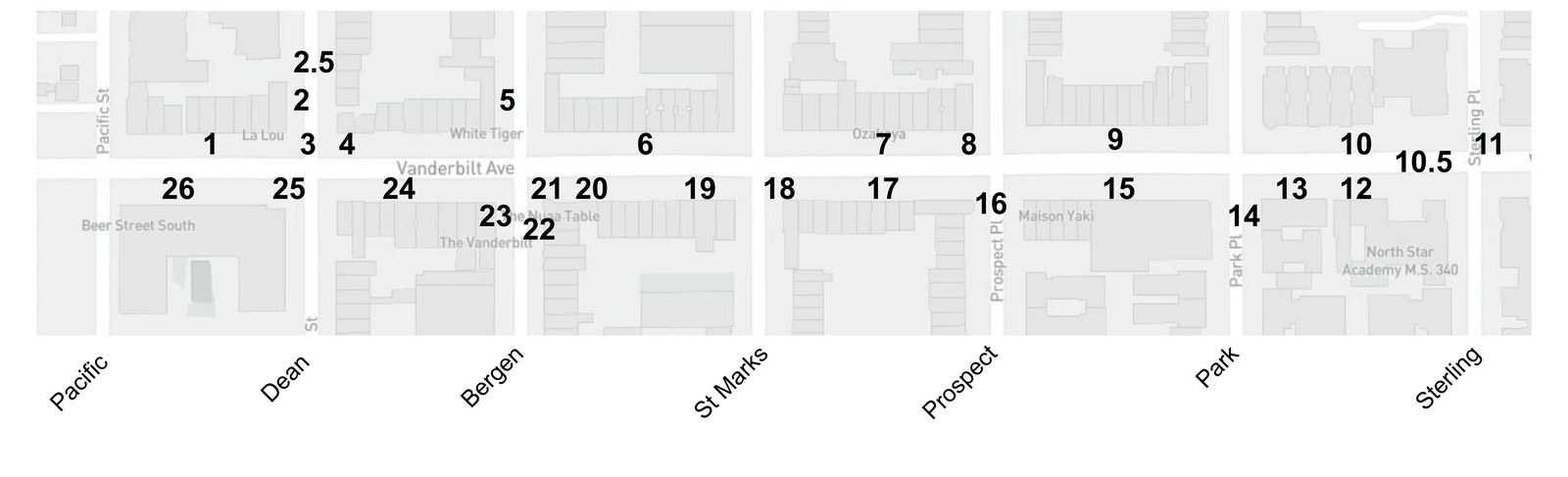
1
US Postal Service Arrow Lock
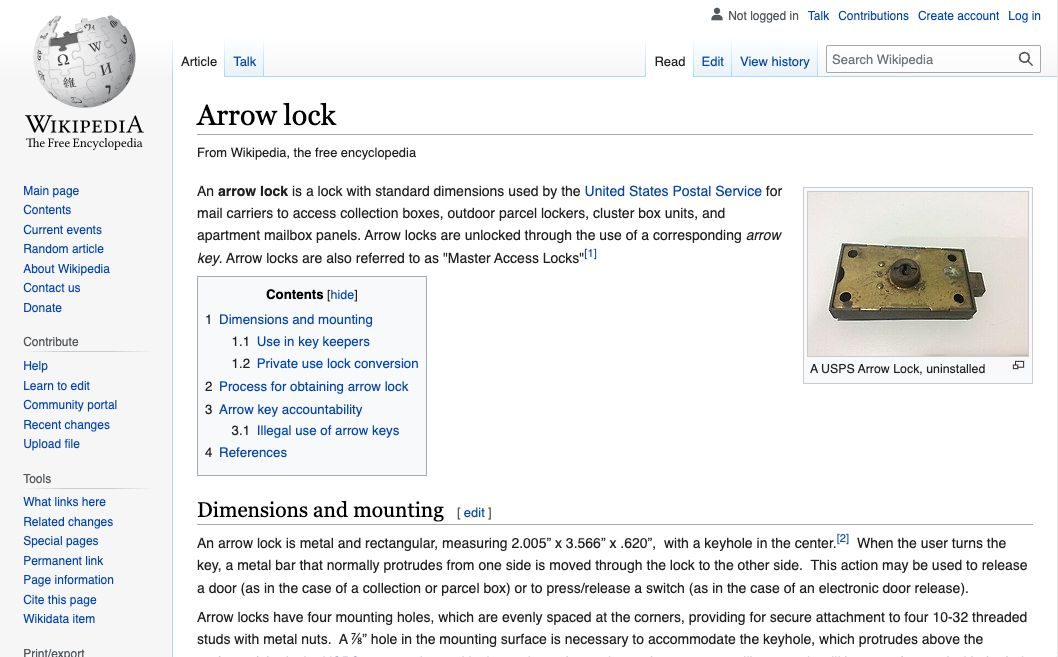
Postal workers need access to every building on their route to deliver mail, and most multifamily buildings use an arrow lock to provide it. Every arrow lock in an area is keyed the same, which is why you'll often see postal workers with an arrow key chained to their belt — one key opens every arrow lock they'll encounter that day.
Turning the key slides a metal bar back and forth inside the lock. Smaller buildings may use an arrow lock to secure a small key box holding another key that unlocks the entry door. Other setups wire the lock to an electric switch that triggers an electric door strike — the same mechanism used to "buzz in" visitors. You'll also find arrow locks on multi-unit mailboxes themselves, letting the postal worker open every mailbox at once to deliver the mail.
2
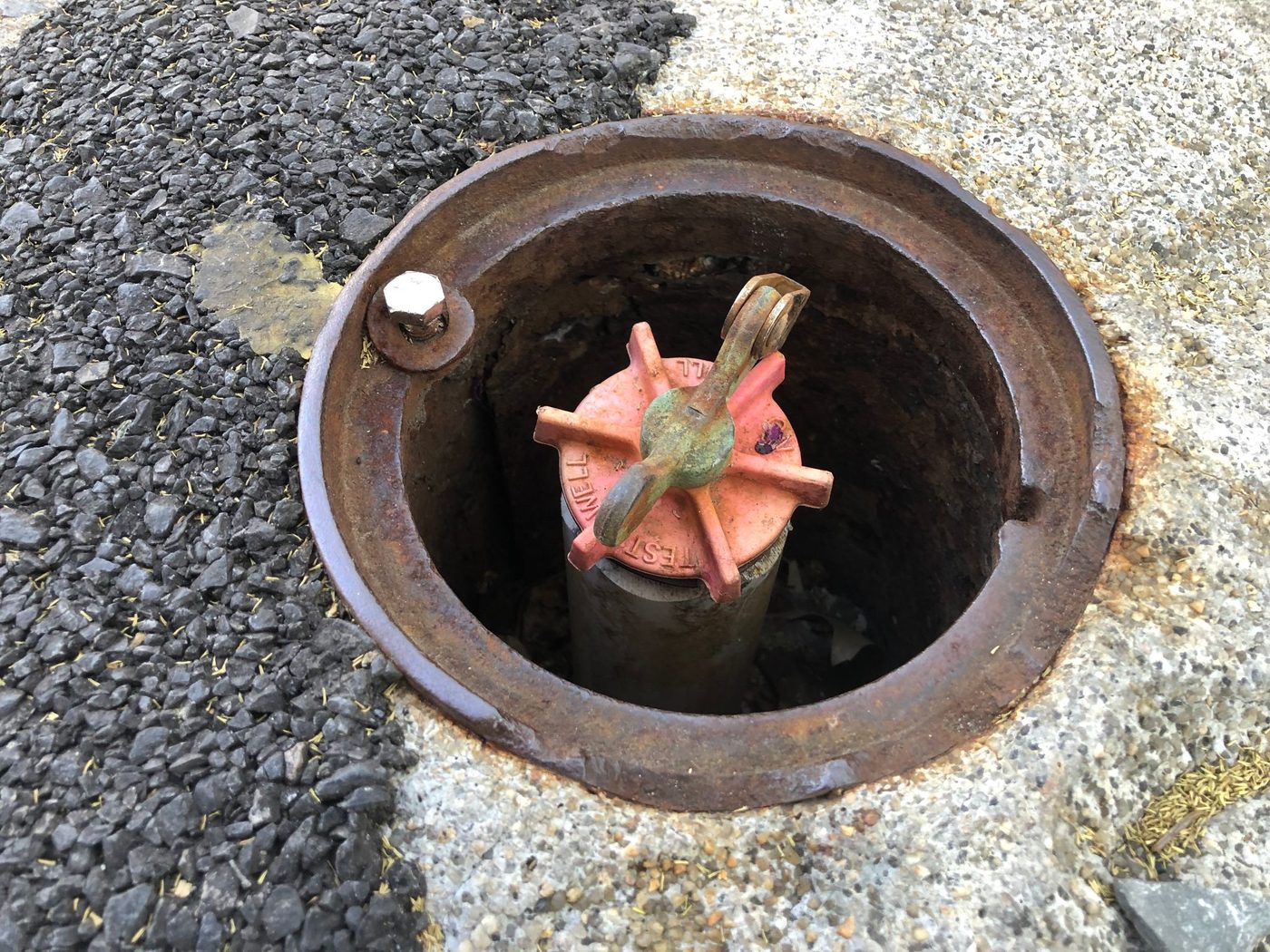
Groundwater Monitoring Well
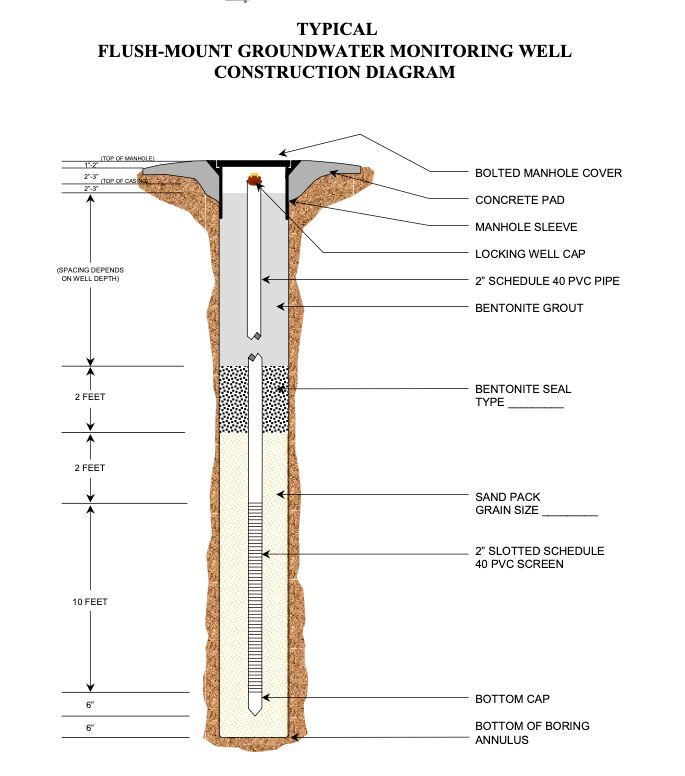
As the name suggests, these are just long tubes that extend down to the water table, letting environmental consulting firms and government agencies monitor water quality below the surface. They're typically installed near current or former industrial sites, gas stations, and dry cleaners to check for contamination from things like petroleum products, solvents, and heavy metals leaching into the groundwater.
2.5
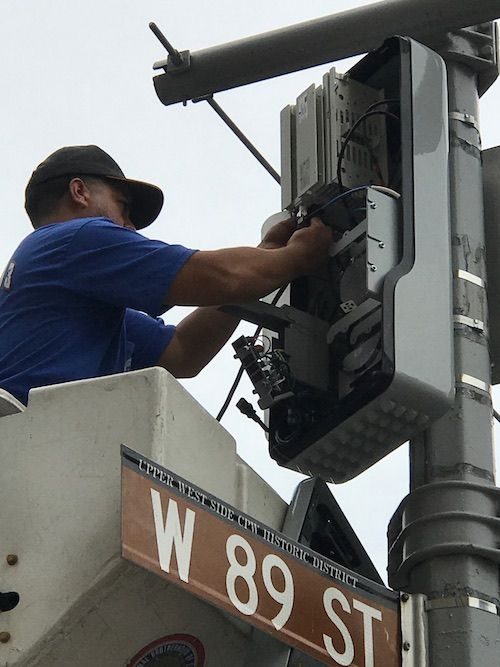
Mobile Phone Antenna
Technicians have been installing gray boxes on light poles and street signs throughout the neighborhood in recent weeks, raising the obvious question: “What are they?”
Luckily, one of our tipsters asked a technician, who said they’re antennas for cell service. The city rents space on the light poles to telecom companies that install the antennas to improve service. They rent for as much as $400 a month, according to Crain’s.
3
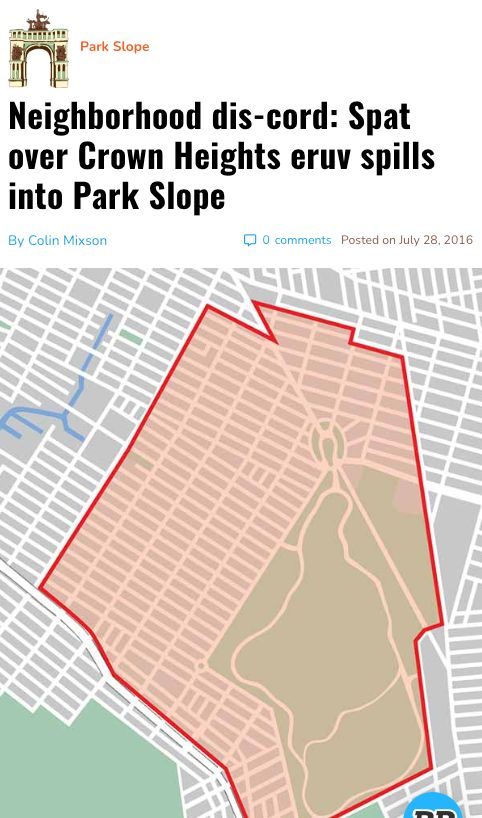
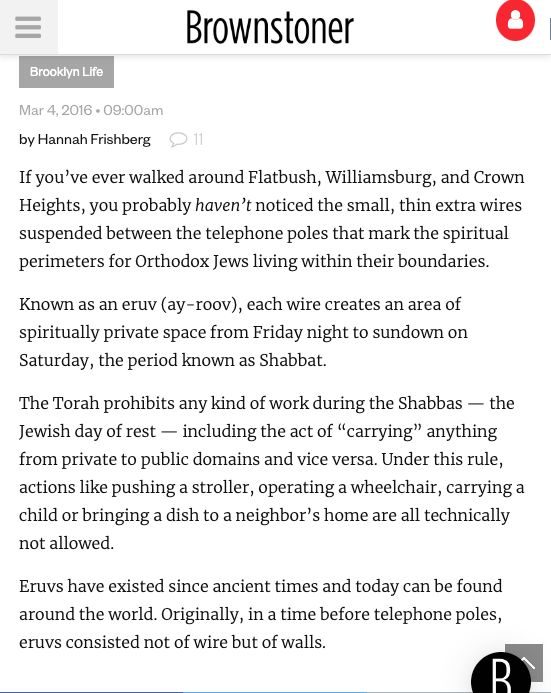
Eruv
The thin wire you see running between the lampposts is part of an eruv, a ritual enclosure that allows Orthodox Jews to carry objects outdoors during the Sabbath.
4
FDNY Emergency Call Box
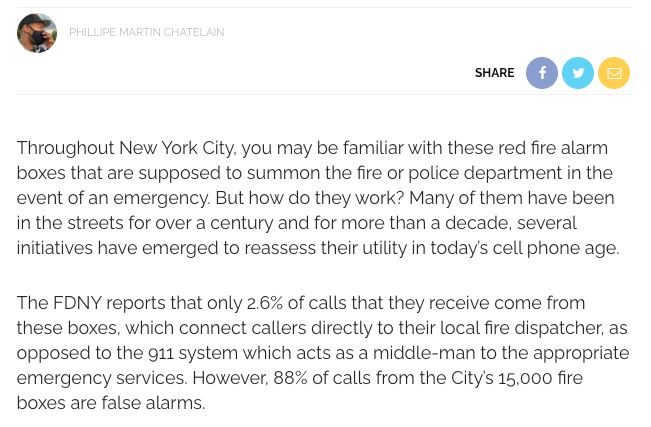
These fire and police call boxes are all hard-wired and still operational, though most of the alarms they receive these days turn out to be false.
5
Verizon FIOS FDH (Fiber Distribution Hub)
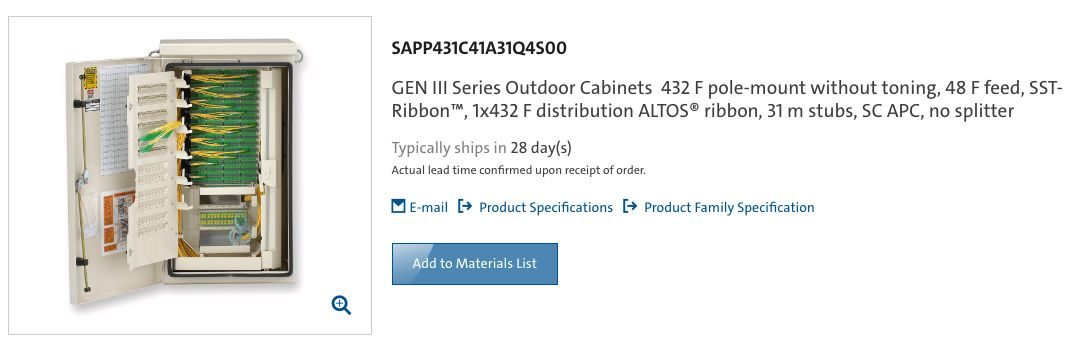
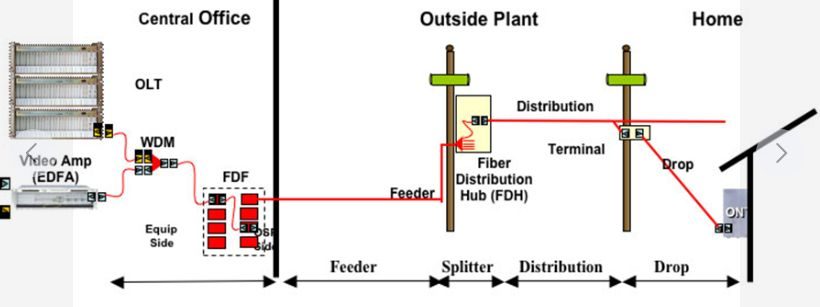
These FIOS distribution hubs are splitters, where a single feeder line branches out to serve several dozen FIOS customers. You may see one mounted over a panel in the sidewalk, with all its cables hidden underground, or mounted on a pole, in which case you'll see cables emerging from conduits at ground level or running overhead to nearby buildings.
6
Boiler Fuel Oil Fill Pipe And Vent
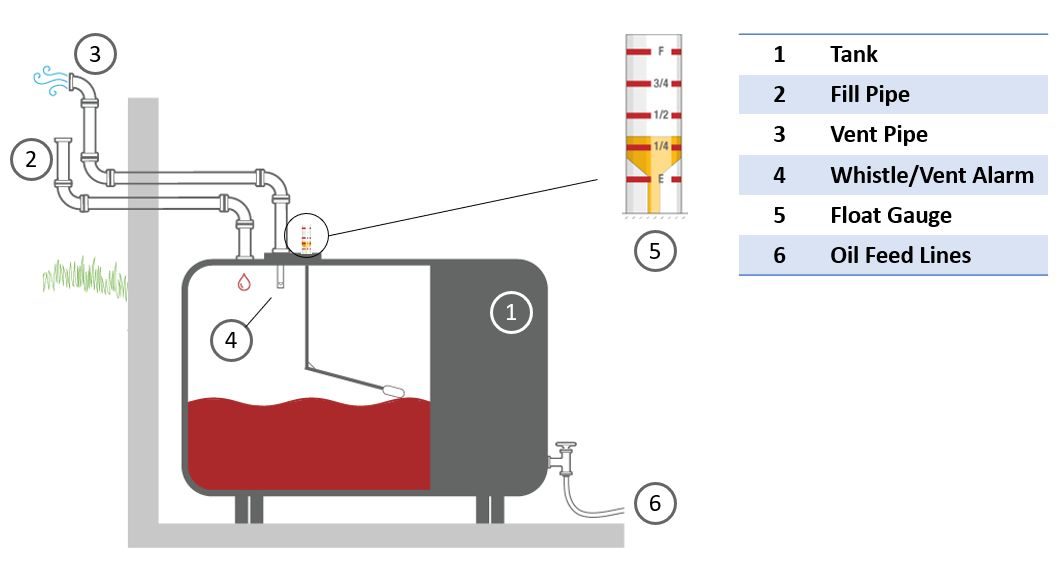
Many buildings heat with boilers that run on fuel oil stored on site in a tank, replenished by periodic deliveries from a fuel tanker truck. You'll sometimes see a fill port for the tank built into the sidewalk, or set into the face of a building, and wherever there's a fill port, there's always a vent pipe nearby. Some vents are fitted with passive alarms that "whistle" when the tank is nearly full, so the person pumping the oil knows when to stop. More sophisticated setups use an electronic alarm instead, and you'll see a box with lights and a siren mounted near the fill port.
7
Scancoder Water Meter Reader
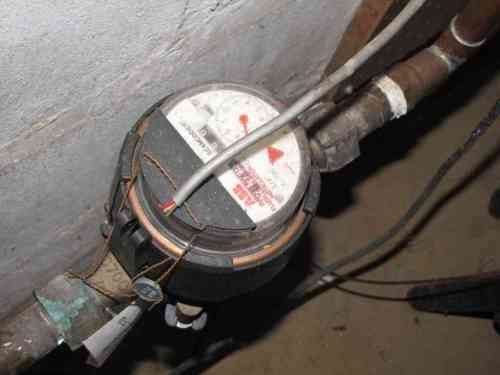
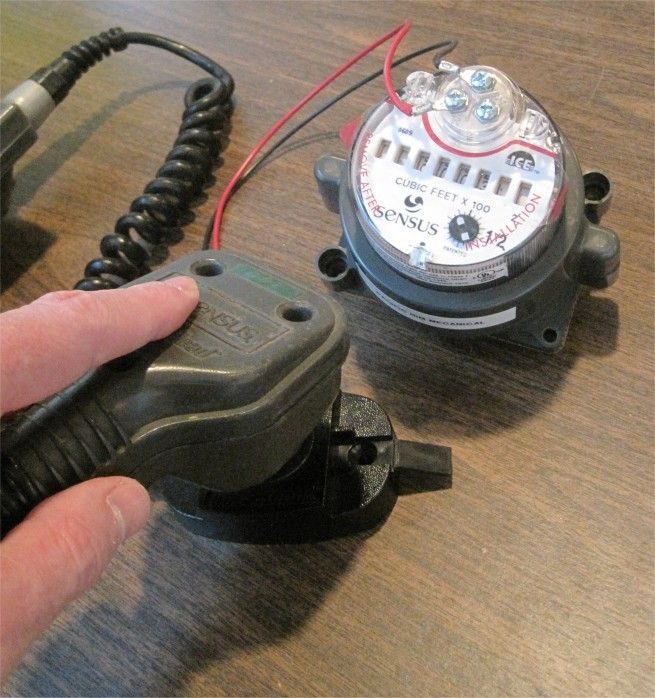
A building's domestic water meter uses a gray rectangular box to transmit usage data by radio signal, but you'll often find these black meter-reading devices nearby too. They belong to separate meters, usually connected to other water-consuming systems like fire sprinklers. They don't emit radio waves — instead, they're read by holding a special tool up to the round nub on the panel. I've never actually seen one read in the wild, and I have no idea how often it happens or what's done with the information.
8
Natural Gas Pressure Regulator Station
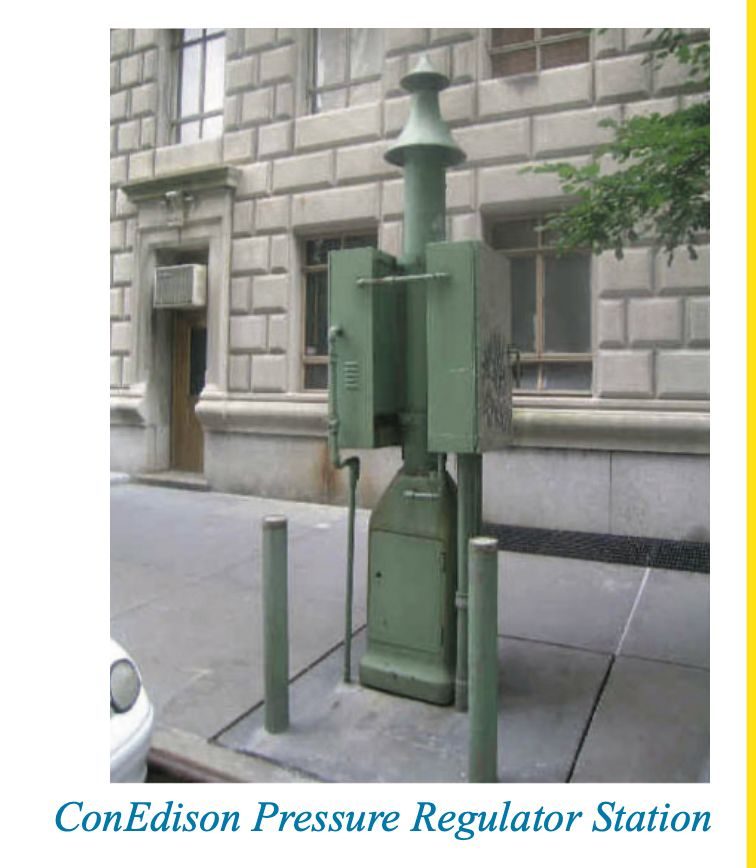
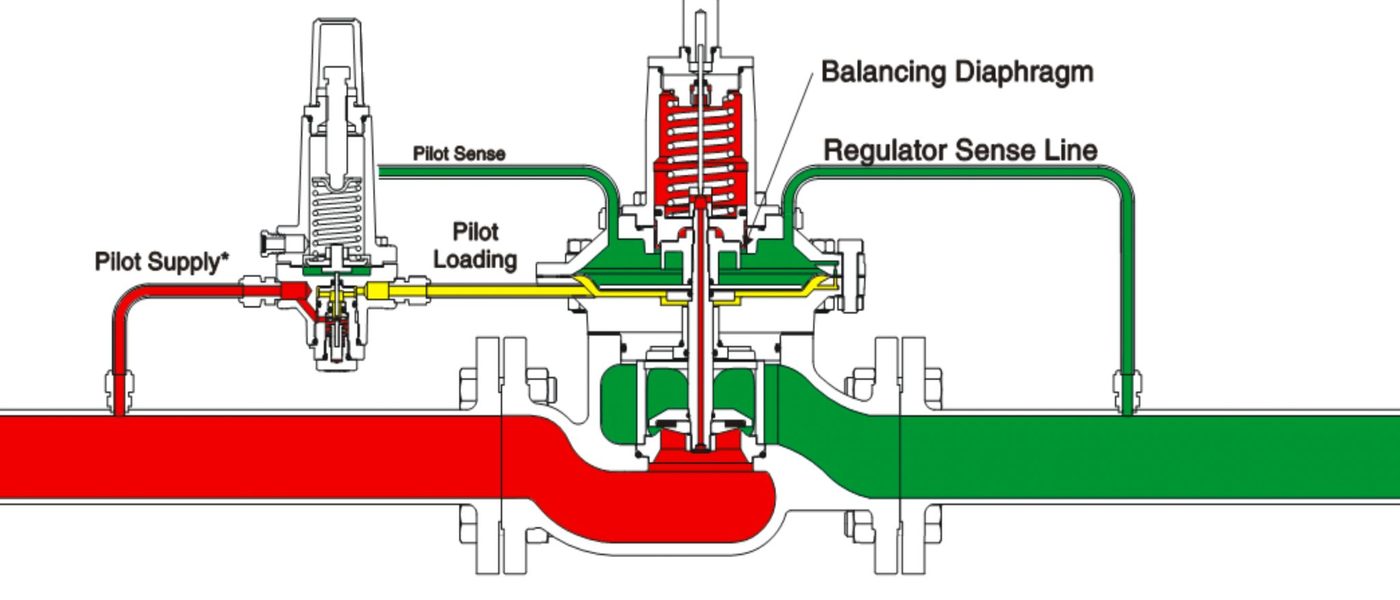
These gas pressure regulator stations are often flanked by a cluster of gas-related valves and manholes. Their job is to step down pressure between the larger mains that supply an area and the lower-pressure lines that feed individual buildings.
9
Building Intercom System
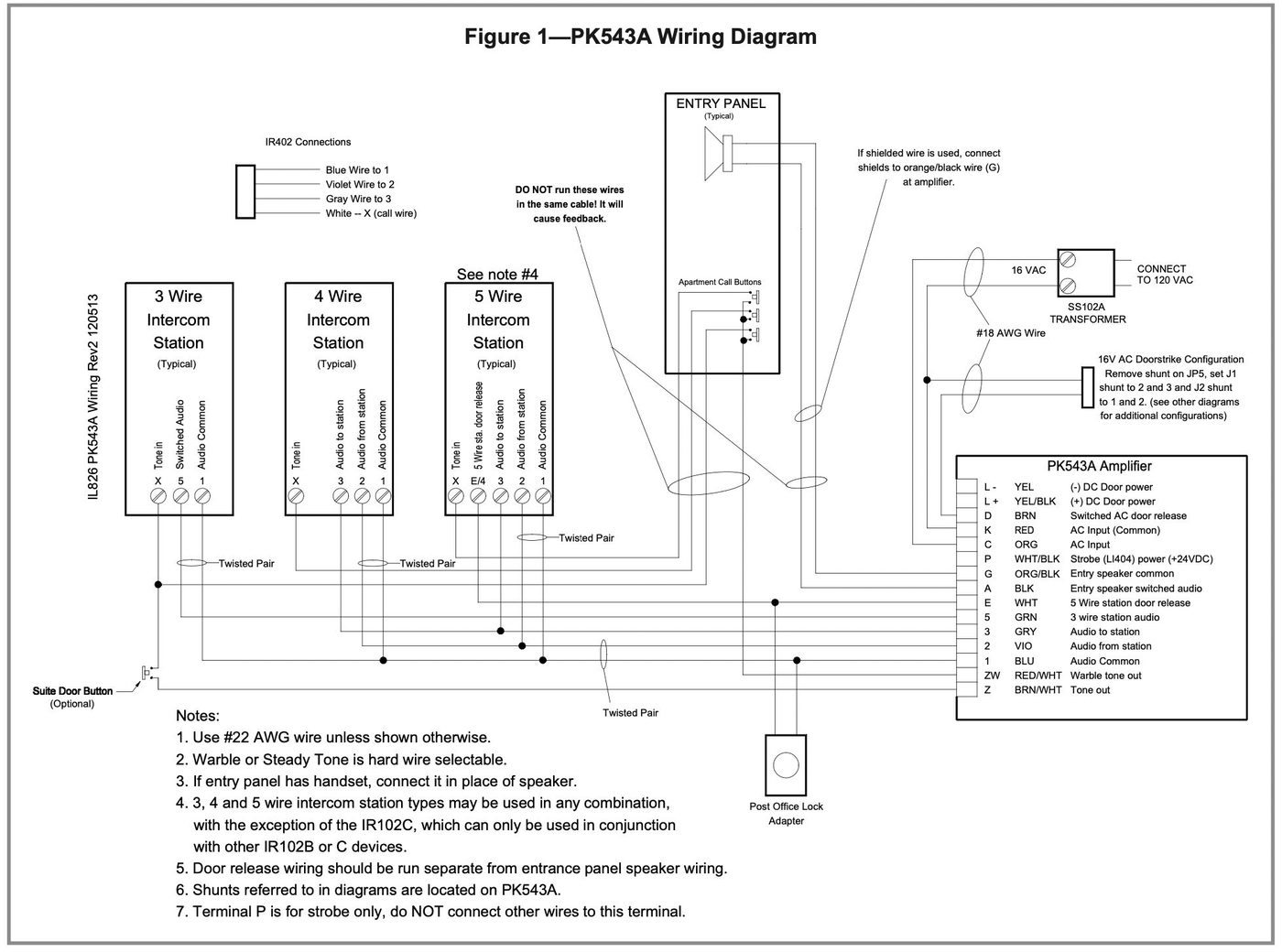
Here's a wiring diagram for the classic apartment intercom system. All the wires lead to the amplifier, a small box that handles the audio and can trigger an electric door release when a resident presses the right button inside their unit. These systems are inexpensive to install and maintain, but many buildings have since upgraded to video intercoms, or even smart intercoms that need no wiring to the unit at all and notify residents through their phone.
10
Wireless Automated Water Meter Reading Device (AMR)
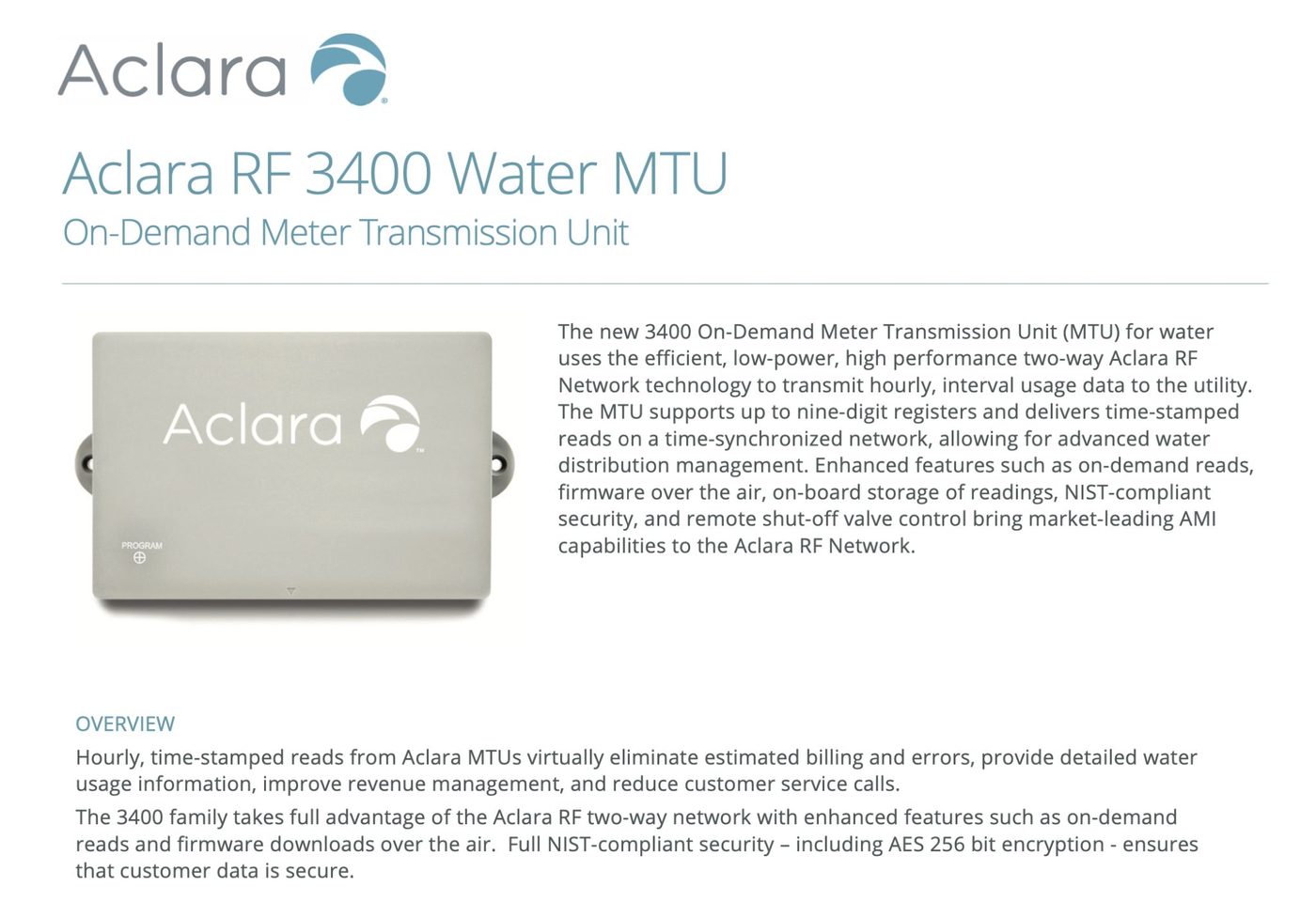
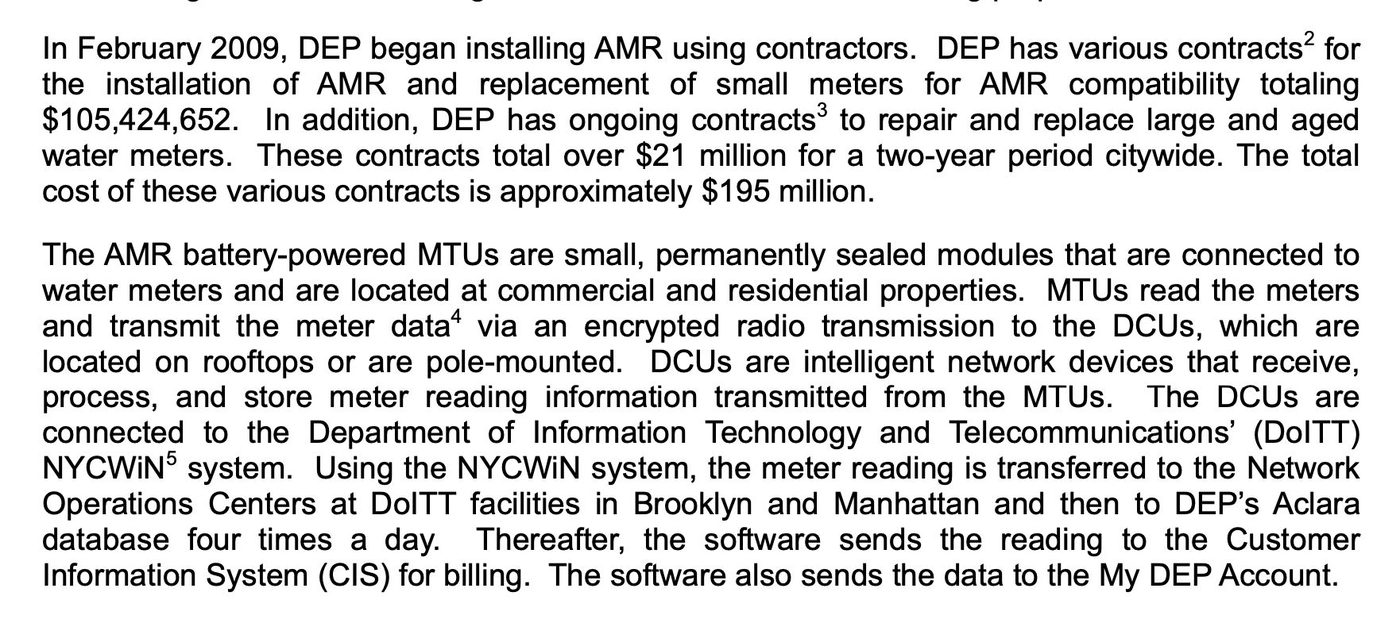
You'll find one of these gray boxes on every building with a water meter that gets billed. They transmit readings wirelessly, and you'll sometimes spot DEP vehicles with antennas mounted on the roof driving the neighborhood to collect them.
10.5
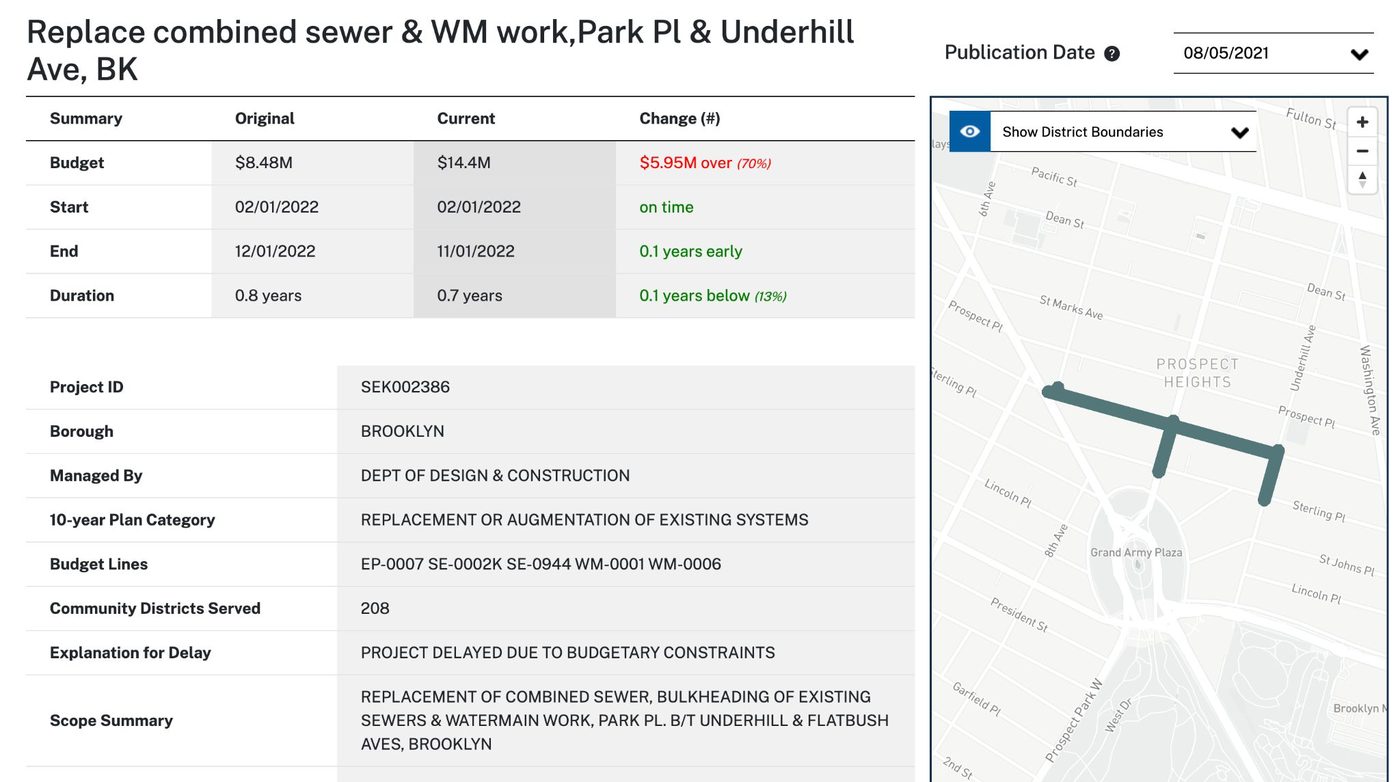
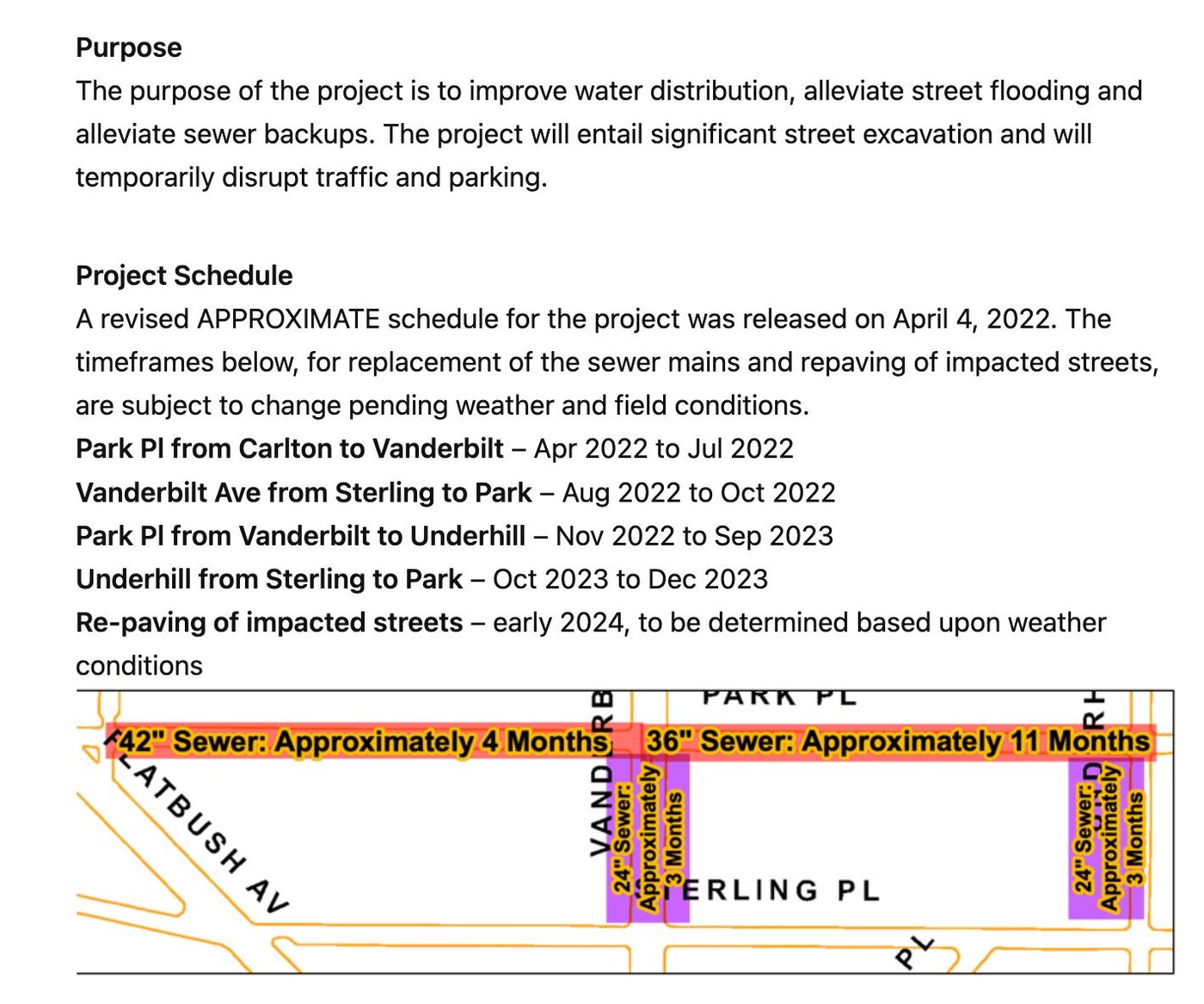
Capital Project – Sewer Replacement
The city's capital budget funds a lot of infrastructure work like this. You may notice a sign posted nearby with a capital project ID on it, and if you look that ID up, city data sources hold a wealth of information about how the project is funded and how it's progressing.
11
Fire Department Connection for Standpipe System
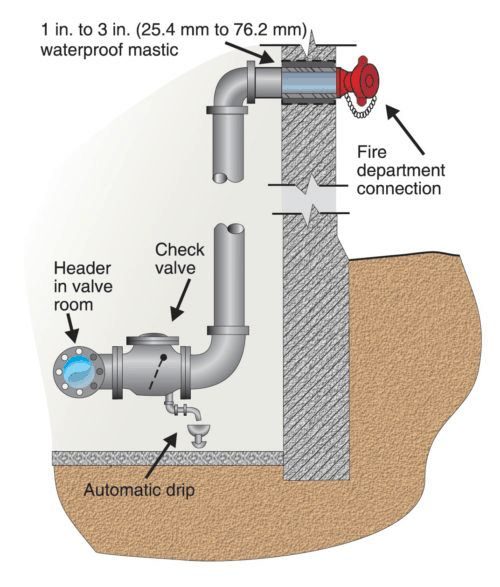
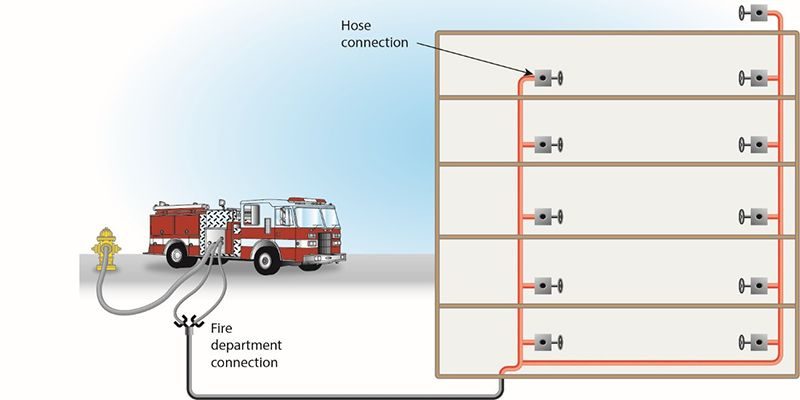
When you see these pipe connections on the front of a building, they're for pumping water in, not getting water out. They connect to fire sprinkler systems, standpipes, or sometimes both, and the caps are required to be painted to show which: green for sprinklers, red for standpipes, and yellow for both.
Under normal conditions, the building's existing water pressure is enough to supply its sprinklers, but the FDC lets a fire truck add extra pressure when it's needed. It's also possible for the valve supplying a sprinkler system to be closed off, so the FDC is always connected directly to the sprinkler piping, bypassing that valve entirely.
12
CableTV Distribution Vault
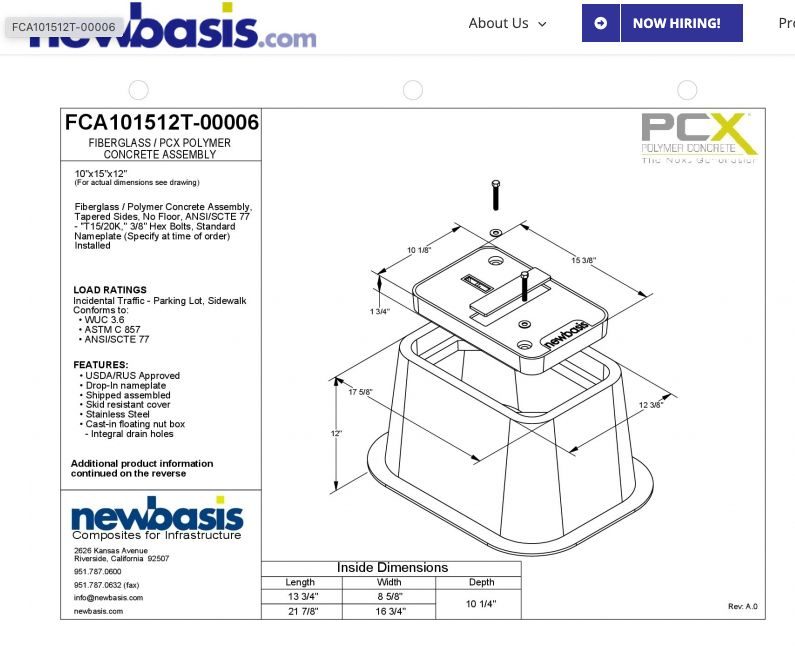
You usually only see the lid of one of these on the sidewalk, so here's a diagram showing the size of the vault hidden beneath it.
These vaults usually contain splitters that take a main cable signal and send it out to several buildings. Keep an eye out for orange pavement markings showing the conduits that feed the box.
13
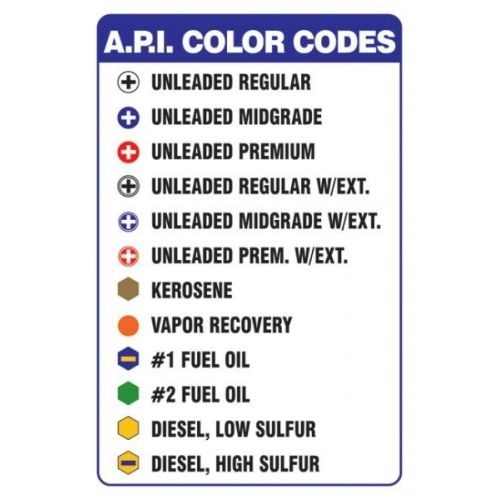
Fuel Tank Symbol
On most buildings that fuel a boiler, you'll see the green hexagon for #2 fuel oil. You'll sometimes spot the diesel symbol instead on tanks in front of fire stations or other sites that keep a backup electrical generator on hand.
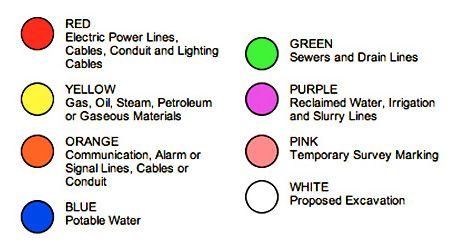
“The API color coding system is the national and universal standard for properly identifying aboveground and underground fuel storage tanks, fills, piping, equipment and vehicles at gas stations, service stations, warehouses and distribution terminals.
API labeling is also a necessary component of fire codes within many municipalities. Fill pipes at various sites must be painted accordingly with a corresponding color or have external labels affixed in order to properly represent the product housed within.”
14
House Trap Vent Pipe
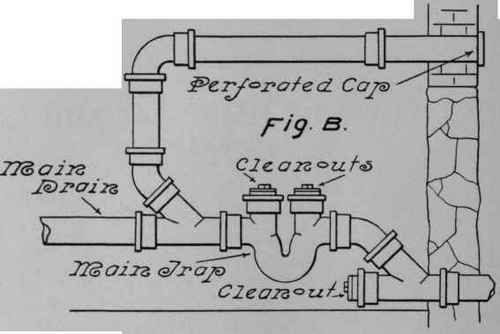
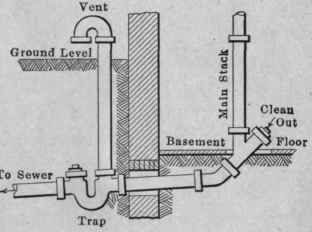
On older buildings, you may see a pipe rising out of the sidewalk with a bend on top, open to the air but pointing back down toward the ground. This is the vent and cleanout for a "house trap." It works the same way as the P-trap under your sink, just for the entire building. In modern buildings, the trap is located inside and vented through the front face of the building instead.
15
Fire Hydrant
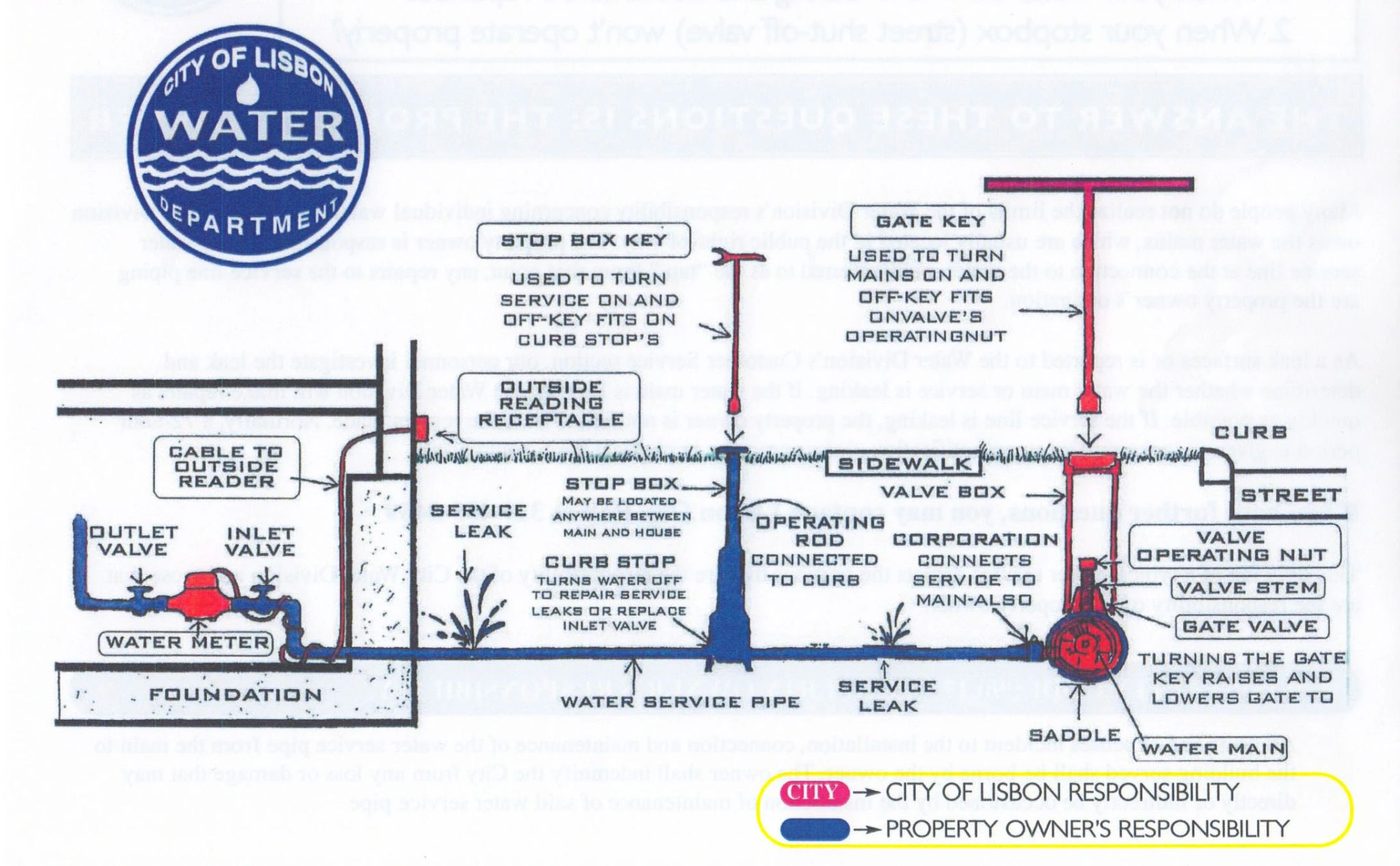
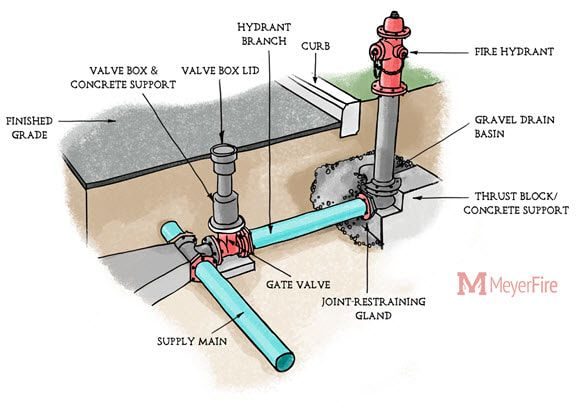
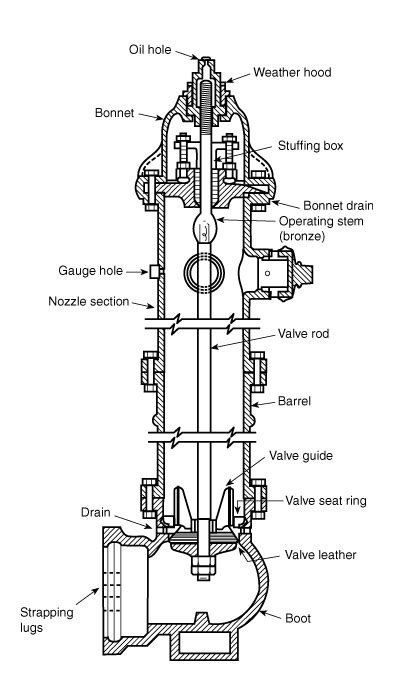
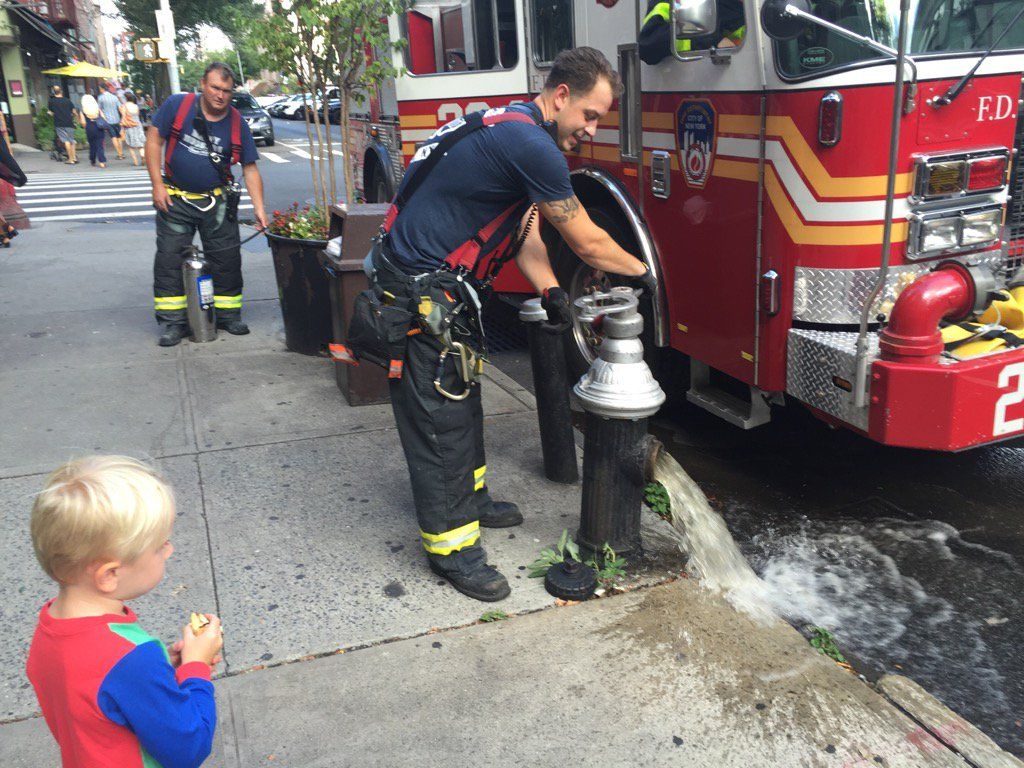
Every fire hydrant has its own shutoff valve, which can be a good clue to where the main feeding it actually sits. Look nearby for a small square panel marked WSNY.
16
Brooklyn Edison Company Vault
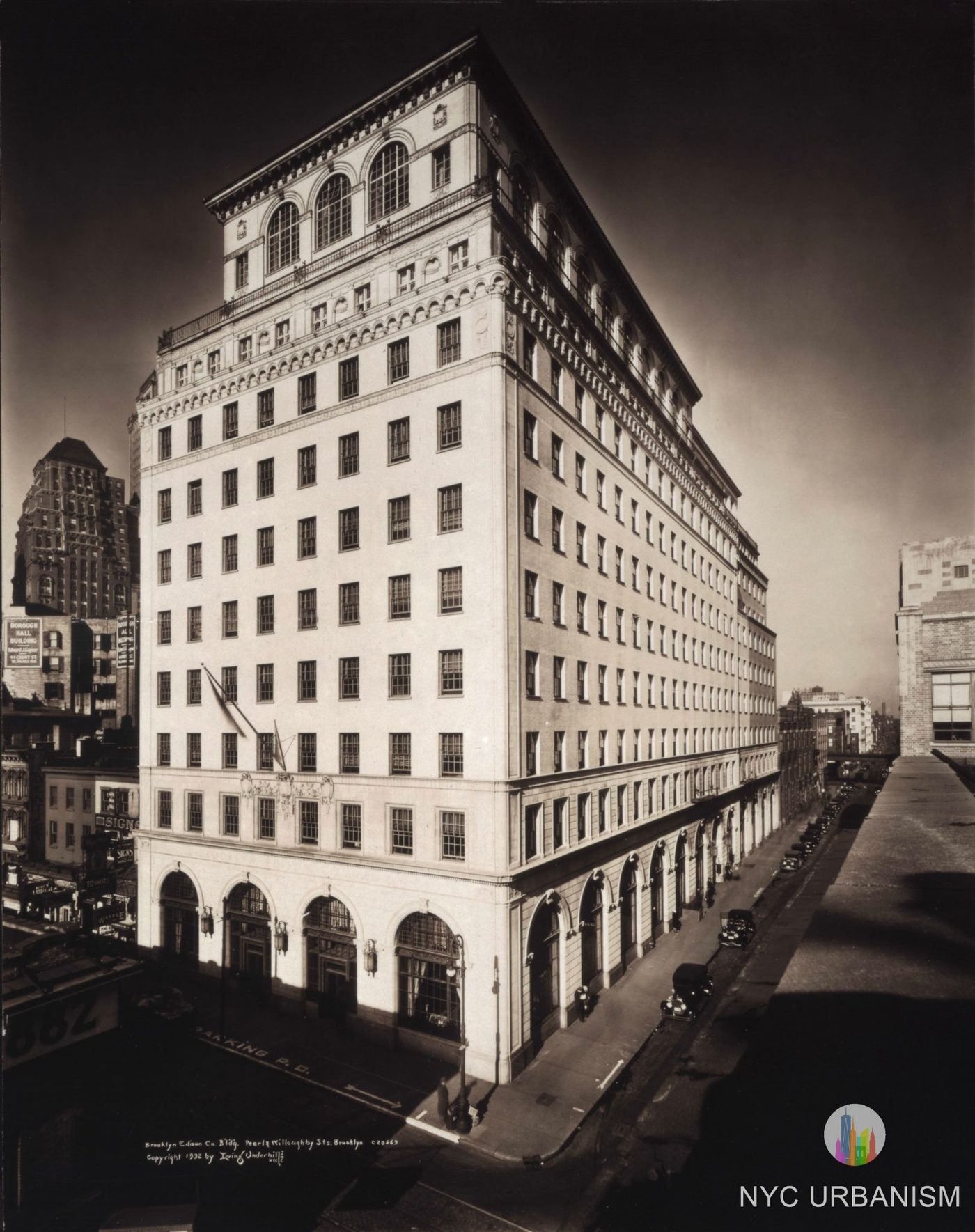
Small electrical vaults like this one house transformers and junction points for conduits. Keep an eye out for red pavement markings showing conduit paths branching out from these boxes toward lampposts and buildings. Many of the vault covers are original and still read "B E Co," short for Brooklyn Edison Company, the original electrical utility in Brooklyn. It would later merge with others to become Consolidated Edison (Con Edison).
In the latter part of the 1880s, the Edison Electric Illuminating Company (EEICo.) branched out into Brooklyn. The First District powerhouse, ironically, was located on Pearl and Adams Streets in downtown Brooklyn, near the Brooklyn and Manhattan Bridges (see Figures 10 and 11).
EEICo. Brooklyn was a holding of Kings County Electric Light and Power Company (KCEL&PCo.), which became a Brady/Murray holding and was reorganized as Brooklyn Edison Company (BECo.) in 1919. BECo. did not become part of the Consolidated group until 1943, at which time it was acquired by Con Edison.
17
Hydrant With Security Nut
Some fire hydrants have a security nut in place of the standard pentagon bolt, which needs a special wrench to operate the valve and let water flow. That wrench has precisely placed magnets that engage a mechanism hidden inside the security nut, so an ordinary wrench just spins uselessly against it.
18
Traffic Control Box
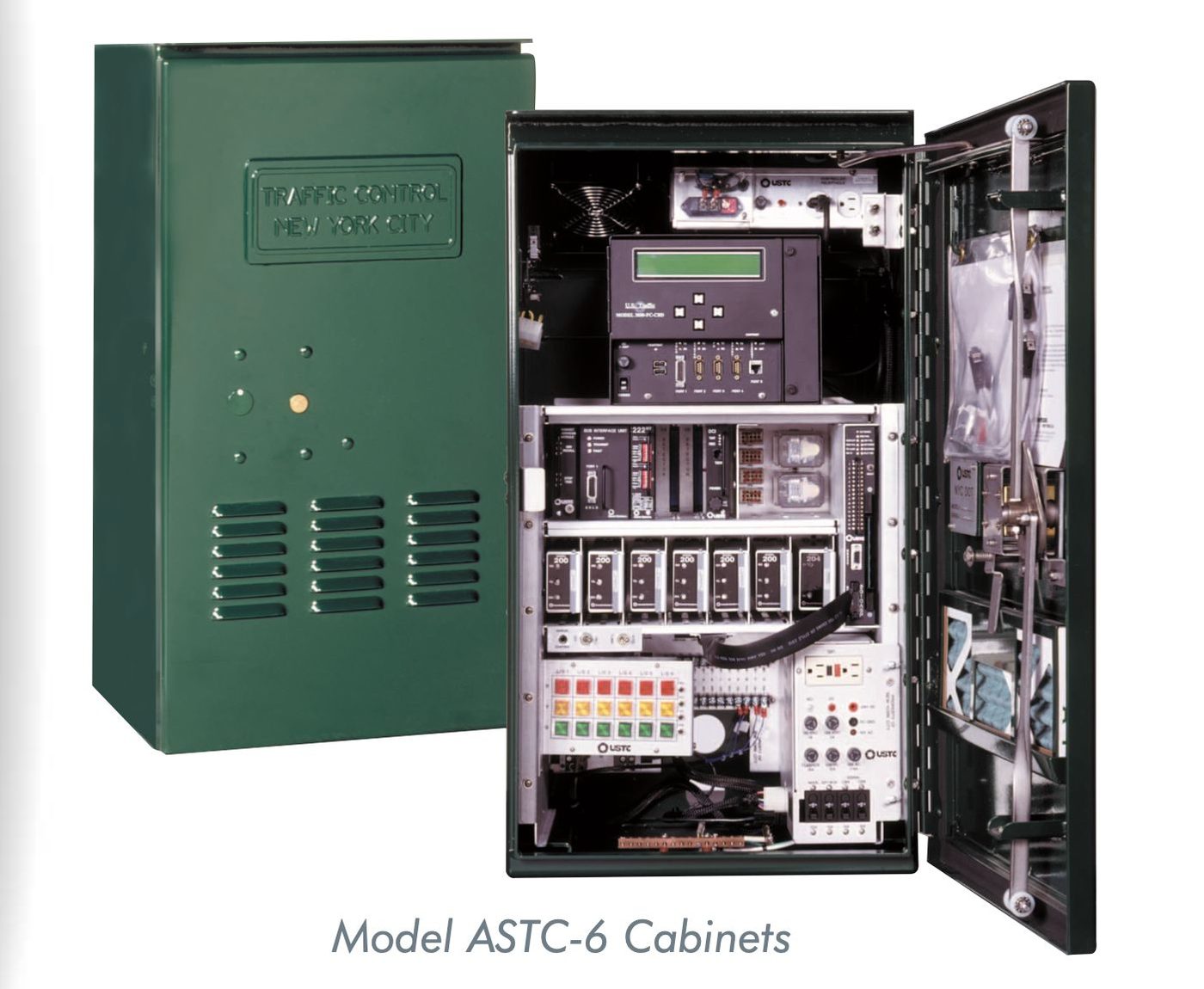
Every intersection with traffic lights and pedestrian signals has a green box mounted on one of its poles. Inside is fairly sophisticated computer equipment that controls the signal timing sequences. If you spot a plastic dome on top of the box, that's for wireless communication.
19
CATV Vault
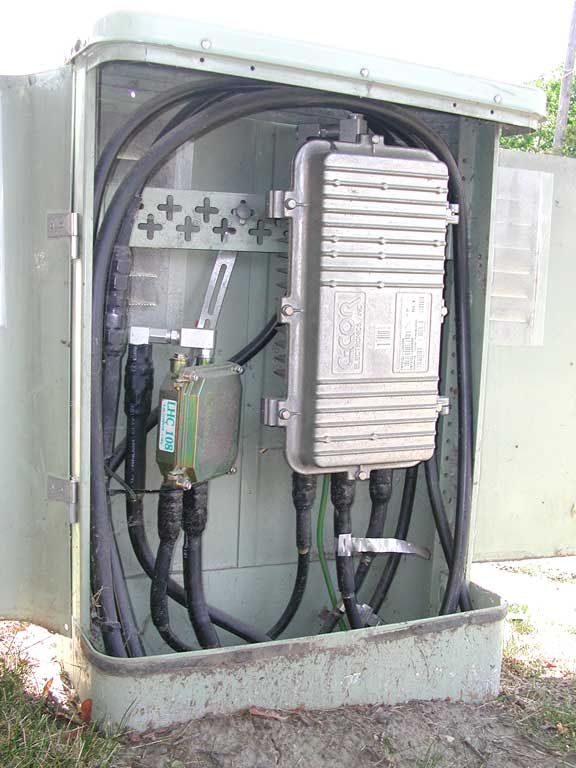
Cable TV infrastructure is usually buried below ground, but every so often you'll come across an above-ground vault like this one housing the equipment instead.
20
Fire Sprinkler Alarm Bell
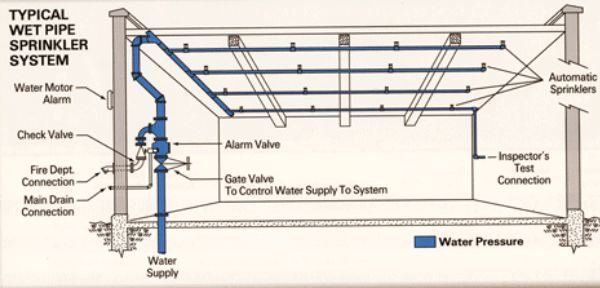
Fire sprinklers activate when high heat melts away a small piece of metal in the sprinkler head, releasing pressurized water. These systems include sensors that detect when water starts flowing and trigger an alarm, usually an electric bell mounted outside the building. Older systems instead use a "water motor gong," which rings a bell using the force of the flowing water itself, no electricity required.
21
Multiple CATV Wires Emerge from the Sidewalk
No photo in the original field notes.
In this spot, you can see orange pavement markings and follow them to the edge of a building, where they emerge and continue up the side of the wall. Along the way, several junction boxes split the larger cable into the coaxial cables you'd recognize, feeding service into individual apartment units.
22
Cablevision Surface Boxes
No photo in the original field notes.
These boxes are labeled Cablevision, a provider that served this area before Spectrum. They house CATV equipment, and often a good number of batteries for backup power.
23
Follow Orange Paint, Cables Emerge!
No photo in the original field notes.
As before, you can follow the orange utility markings to the spot where the cables emerge from the sidewalk and run up the side of a building.
24
Building Cable Hoist
No photo in the original field notes.
When Verizon wants to bring service to a multifamily building, it will often run fiber optic cable in a vertical line up the outside of the building, serving a whole stack of units with a single run. A cable hoist gets installed at the top of that run first, rigged with a pulley and a canvas strap reaching down to the bottom. Later, a bundle of fiber optic cable pre-assembled for that specific set of units is hoisted into place using this setup, and the canvas strap is discarded once the job is done.
25
LinkNYC Fiber Run
No photo in the original field notes.
LinkNYC kiosks were installed starting in the mid-2010s, each one hard-wired with fiber optics. You can often spot remnants of the installation path, where small channels were cut into the roadway to accommodate a conduit, frequently running to a nearby telecom manhole. Keep an eye out for orange paint markings and pavement cuts to trace where a given kiosk gets its data feed from.
26
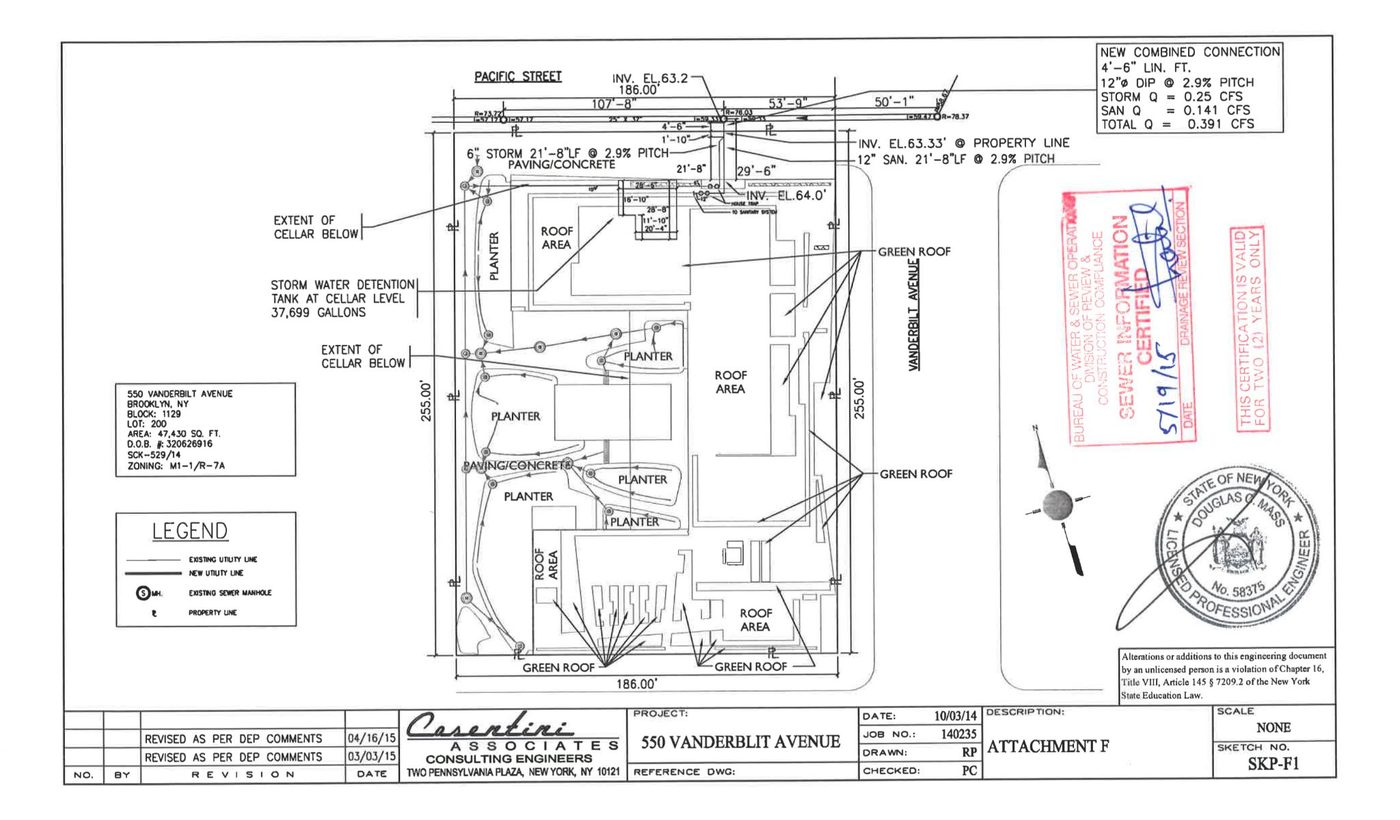
New Building SD-1
This is an SD-1 diagram, required for any new building that wants to connect to the city sewer. You can find these on the DOB website, and they're full of interesting detail about what's underground near a building — sewer diameter, vault locations, and other nearby utilities. They also document the building's own drainage systems: detention tanks, green roofs, and other infrastructure related to stormwater.